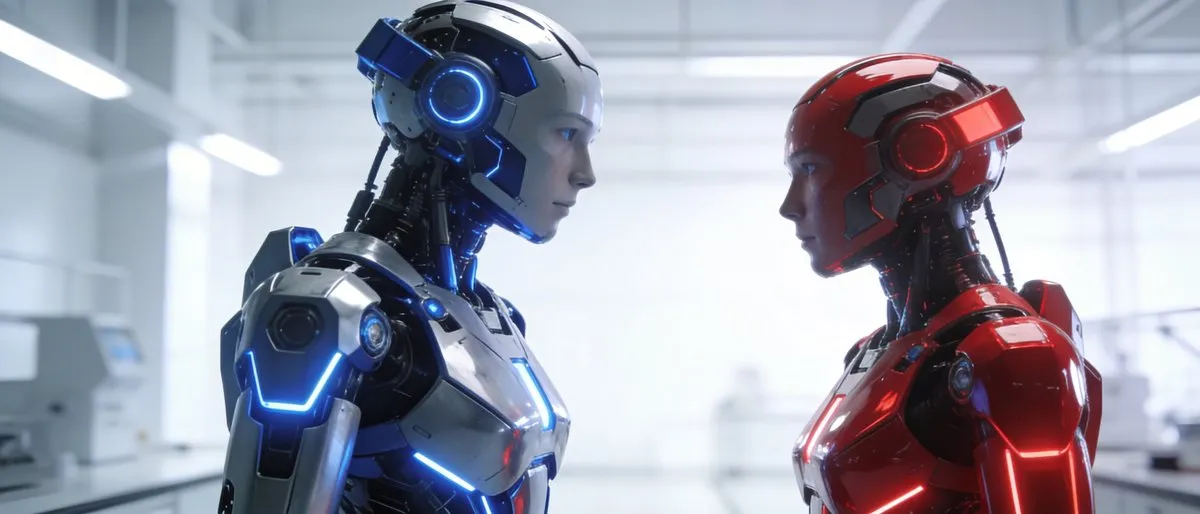
Figure AI operates robots at BMW's Spartanburg factory for 10+ hours daily, while Tesla tests 5,000 Optimus units across its manufacturing facilities. Both companies target consumer release in 2026-2027 with fundamentally different approaches to home automation.
What is the current state of humanoid robotics for home automation in 2026?
The humanoid robotics market has reached commercial viability with Figure AI and Tesla leading consumer-focused development. Figure operates robots in BMW's Spartanburg factory for 10+ hours daily, while Tesla deploys 5,000 Optimus units across its manufacturing facilities.
Figure AI has established the strongest commercial track record with real-world factory deployment since 2024. Their robots handle precision assembly tasks that previously required human workers. Tesla brings manufacturing scale advantages that could revolutionize pricing. With 5,000 internal units providing real-world testing data, Tesla's approach focuses on rapid iteration and cost reduction.
The home robotics sector could reach $34 billion by 2030, with humanoid robots capturing 40% of that market. Other notable players include Boston Dynamics' Electric Atlas ($140K-$150K), targeting high-end commercial applications, and 1X Technologies' NEO, designed specifically for home service tasks. Unitree Robotics offers budget-friendly options under $20K, though with limited home automation capabilities.
Figure initially targeted enterprise customers but announced consumer plans for late 2026. Their BMW deployment proves robots can handle complex, multi-step tasks in demanding environments. Tesla's strategy inverts this model—developing for eventual consumer scale while testing internally. Their $20K-$30K target pricing aims to make humanoid robots accessible to middle-class households.
Both companies have achieved Technology Readiness Level 7-8 (system demonstration in operational environment). Figure's BMW deployment represents the highest TRL for commercial humanoid robots. Tesla's internal testing provides extensive operational data but lacks third-party validation. Safety certifications for home use remain pending. Both companies are working with regulatory bodies to establish standards for domestic robot operation.
Figure robots integrate OpenAI's multimodal AI for real-time conversation during task execution, combined with industry-leading dexterity demonstrated through BMW factory deployment. This allows natural interaction while performing complex household chores.
Figure 02 stands 168cm tall, weighs 70kg, and operates for 5 hours per charge. The robot features 16 degrees of freedom per hand plus full-body articulation. It can lift 20-25kg payloads and walk at 1.2 m/s—suitable for navigating typical homes.
Figure 03 represents a significant upgrade focused on consumer applications. The company promises human-like running capabilities and extended battery life through their new Helix power system. The design prioritizes home aesthetics and safety. Both models use end-to-end neural networks trained on millions of manipulation tasks.
| Specification | Figure 02 | Figure 03 (Projected) |
|---|
| Height | 168 cm | 170 cm |
| Weight | 70 kg | 65 kg |
| Battery Life | 5 hours | 8+ hours (Helix) |
| Walking Speed | 1.2 m/s | Human-like running |
| Payload | 20-25 kg | 25+ kg |
| Release Status | BMW Deployed | Late 2026 Consumer |
Figure's partnership with OpenAI creates unprecedented conversational capabilities during task execution. The robot can discuss what it's doing, ask for clarification, and adapt to verbal instructions in real-time. During BMW operations, Figure robots verbally confirm assembly instructions and report completion status. This same technology enables home applications like "Please make coffee and tell me about today's weather while you work."
The OpenAI integration processes visual, auditory, and tactile inputs simultaneously. This multimodal approach allows robots to understand context beyond simple voice commands. For example, pointing at a specific cup while saying "use that one" works reliably.
BMW's Spartanburg factory provides the ultimate proving ground for Figure robots. These units work 10-hour shifts performing precision assembly tasks that directly impact vehicle quality. Specific tasks include installing door seals, placing components with millimeter precision, and quality inspection procedures. The robots maintain 99.2% task completion rates and operate safely alongside human workers.
BMW reports 15% productivity improvements in areas where Figure robots operate. The robots handle repetitive tasks that previously caused worker fatigue and injury. The factory deployment provides continuous learning data that improves all Figure robots through over-the-air updates.
Tesla Optimus Gen 3 offers superior battery life (10-12 hours), walking speed (10-12 km/h), and aggressive pricing ($20K-$30K target) through manufacturing scale advantages, though it currently lacks Figure's proven conversational AI and commercial deployment experience.
Tesla Optimus Gen 3 measures 173cm tall and weighs 57kg—lighter than Figure robots while maintaining similar capabilities. The robot features 50 total degrees of freedom, including 22 per hand for precise manipulation tasks. Battery performance sets Optimus apart with 10-12 hours of continuous operation. Tesla's automotive battery expertise translates into superior energy density and charging efficiency.
Walking speed reaches 10-12 km/h (6-8 mph), making Optimus the fastest humanoid robot for home use. This speed enables rapid navigation between rooms and quick response to urgent requests. The legs can handle stairs, uneven surfaces, and outdoor terrain. The robot's 20kg payload capacity handles most household objects from groceries to furniture.
Tesla leverages its Autopilot neural networks for robot navigation and obstacle avoidance. This technology has accumulated over 10 billion miles of real-world driving data, providing unmatched spatial awareness and path planning capabilities. The same computer vision systems that enable Full Self-Driving cars power Optimus navigation.
Tesla's end-to-end neural network approach processes sensor inputs directly into motor commands. This eliminates traditional programming limitations and enables natural, adaptive movements. Over-the-air updates continuously enhance capabilities based on data from thousands of deployed robots.
Tesla currently operates 5,000 Optimus units across its manufacturing facilities, providing extensive real-world testing data. These robots perform tasks from parts sorting to quality inspection, validating reliability for home applications. Consumer availability targets 2027, following Figure's late 2026 timeline.
Pricing strategy aims for $20K-$30K through automotive-style mass production. Tesla's vertical integration—from batteries to actuators—enables cost control impossible for smaller competitors. The company plans regional manufacturing to reduce shipping costs and support times.
Which robot offers better home automation capabilities?
Figure currently leads in dexterity and conversational AI through OpenAI integration, while Tesla offers superior battery life, speed, and anticipated pricing. The choice depends on whether you prioritize current capabilities or future affordability.
Figure robots demonstrate superior manipulation skills through BMW factory validation. They handle delicate assembly tasks requiring millimeter precision and multi-step coordination. Recent demonstrations show Figure robots making coffee, loading dishwashers, and folding laundry with human-like fluidity. The OpenAI integration enables real-time adaptation when tasks don't go as planned.
Tesla's manipulation capabilities continue improving but lack commercial validation. Internal demonstrations show basic object handling and simple assembly tasks. The 22 degrees of freedom per hand provide theoretical capability, but real-world performance remains unproven.
Figure's OpenAI partnership creates the most advanced conversational ai robotics system available. The robot maintains natural dialogue while performing tasks, asks clarifying questions, and explains its actions. The multimodal AI processes visual, auditory, and tactile inputs simultaneously. You can point at objects, gesture instructions, and receive verbal feedback about task progress.
Tesla's AI focuses on navigation and task execution rather than conversation. The robot understands voice commands and provides basic status updates, but lacks Figure's sophisticated dialogue capabilities.
Tesla dominates battery performance with 10-12 hours of continuous operation versus Figure's 5-hour capacity. This difference determines whether robots can handle full-day automation or require mid-day charging breaks. Tesla's automotive battery expertise includes fast charging, thermal management, and cycle life optimization.
Figure robots integrate with major smart home platforms through OpenAI's API connections. This enables coordination with lights, thermostats, security systems, and other connected devices. Tesla's integration leverages the company's energy ecosystem including Powerwall, Solar, and vehicle charging.
Figure robots achieve 99.2% task completion rates in BMW factory deployment, demonstrating proven reliability. Tesla's internal testing shows promising results, but lacks third-party validation for home environments.
Figure robots excel at multi-step household tasks requiring dexterity and decision-making. Cooking demonstrations include ingredient preparation, appliance operation, and cleanup coordination. The robot follows recipes, adjusts for missing ingredients, and maintains kitchen safety protocols. Cleaning performance covers vacuuming, dishwashing, laundry folding, and surface sanitization.
Tesla's task testing focuses on basic household functions including object transport, simple cleaning, and security monitoring. The robot's speed advantage enables rapid completion of time-sensitive tasks like answering doors or checking on children.
BMW's deployment provides extensive reliability data for Figure robots. Mean time between failures exceeds 2,000 hours of operation, with most issues resolved through software updates rather than hardware replacement. Common failure modes include sensor calibration drift, software glitches, and mechanical wear in high-use joints.
Tesla's automotive-grade components promise superior durability, but home environment testing remains limited. Both robots include comprehensive diagnostic systems that predict maintenance needs and schedule service automatically.
Safety testing covers collision avoidance, emergency stopping, and interaction with children and pets. Figure robots demonstrate gentle interaction capabilities, adjusting grip strength and movement speed based on object fragility and human proximity. Tesla's automotive safety systems translate into robust collision avoidance and emergency response.
User satisfaction metrics from BMW workers interacting with Figure robots show 85% positive ratings for ease of use and 92% for safety comfort.
What's the total cost of owning a humanoid robot for home automation?
Initial costs range from $20K-$30K (Tesla target) to $30K-$50K (Figure estimate), with ongoing expenses including maintenance, insurance, and software updates adding $2K-$5K annually.
Tesla's aggressive $20K-$30K pricing targets mainstream adoption through manufacturing scale. This price point makes humanoid robots competitive with luxury vehicles and positions them as significant but achievable household purchases. Figure's $30K-$50K estimate reflects current production costs and premium positioning.
Both companies may offer financing options similar to automotive purchases. Tesla's experience with vehicle financing provides established infrastructure. Early adopter pricing typically includes premium support, extended warranties, and priority access to upgrades.
Annual maintenance costs estimate $2K-$5K based on component replacement, software updates, and professional servicing. This includes battery replacement every 3-5 years, sensor calibration, and mechanical component wear. Insurance requirements remain undefined but likely resemble high-value electronics or automotive coverage. Estimated annual premiums range from $500-$2K depending on coverage levels.
Energy consumption adds $200-$500 annually based on local electricity rates and usage patterns. Software subscriptions may apply for advanced AI features, cloud processing, and premium support. Figure's OpenAI integration could require ongoing API fees.
Tesla's automotive financing expertise enables attractive lease terms for consumers. Estimated monthly payments range from $300-$500 for 3-year leases with maintenance included. Business leasing options provide tax advantages for home office workers and small businesses.
Boston Dynamics Electric Atlas leads in agility but costs $140K-$150K, while 1X NEO focuses specifically on home service and Unitree offers budget options under $20K with limited capabilities.
Electric Atlas represents the pinnacle of humanoid agility and athletic capability. The robot performs dynamic movements impossible for other humanoid systems, including backflips, parkour, and rapid direction changes. Commercial pricing targets $140K-$150K for 2026-2028 availability. This premium positions Atlas for specialized applications rather than mass-market home automation.
Boston Dynamics' decades of robotics expertise show in Atlas's mechanical design and control systems. The robot handles uneven terrain, carries heavy loads, and recovers from falls—valuable for outdoor and industrial applications. Home automation potential exists for luxury markets and specialized needs like roof maintenance or heavy lifting.
NEO specifically targets home service applications with a focus on elderly care and household assistance. The robot's design prioritizes safety, gentleness, and intuitive interaction over speed or payload capacity. Pricing remains enterprise-focused but the company plans consumer versions. The robot integrates with existing home care services and medical monitoring systems.
Unitree offers the most affordable humanoid robots with G1 pricing under $20K for educational and experimental use. These robots provide basic humanoid capabilities without advanced AI or commercial-grade reliability. The G1 demonstrates impressive agility and speed for its price point. However, manipulation capabilities and task complexity remain limited compared to Figure or Tesla robots.
Which humanoid robot should you choose for home automation in 2026?
Figure 03 suits early adopters wanting proven capabilities and conversational AI, while Tesla Optimus Gen 3 appeals to cost-conscious buyers willing to wait for 2027 availability and mass-market pricing.
For comprehensive home automation, Figure 03 provides the most complete solution with proven dexterity, conversational AI, and commercial validation. The higher price reflects current capabilities rather than future promises. For budget-conscious buyers, Tesla Optimus Gen 3 offers the best value proposition if you can wait until 2027. The $20K-$30K target pricing makes humanoid robots accessible to mainstream households.
For elderly care or healthcare, 1X NEO's specialized focus provides advantages in safety, gentleness, and medical integration. For experimentation or education, Unitree G1 enables experience with humanoid robotics at accessible pricing.
Figure 03 targets late 2026 for consumer release, making it the first advanced humanoid robot available for home purchase. Tesla Optimus Gen 3 aims for 2027 consumer availability following extensive internal testing. Regulatory approval may delay availability in some markets.
Both Figure and Tesla emphasize software-defined capabilities that improve through over-the-air updates. Figure's OpenAI partnership suggests rapid advancement in conversational AI and task understanding. Tesla's automotive AI development benefits robot capabilities through shared neural networks and training data.
Future capabilities may include multi-robot coordination, advanced home security, outdoor tasks, and integration with autonomous vehicles for errands and transportation. Humanoid robots represent significant household investments comparable to vehicles or major appliances. Early adoption carries risks of rapid obsolescence and limited support infrastructure.
The productivity and convenience benefits could justify costs for appropriate households. Time savings on household tasks, elderly care assistance, and home security provide measurable value. Consider leasing options for early adoption to minimize financial risk while gaining experience with humanoid robot capabilities.
Frequently Asked Questions
Which humanoid robot will be available first for home purchase in 2026?
Figure 03 targets late 2026 for consumer release, while Tesla Optimus Gen 3 targets 2027. Figure currently leads in commercial deployment with proven BMW factory operations running 10+ hour shifts daily.
Can these robots actually handle household chores like cooking and cleaning?
Figure robots demonstrate coffee-making, dishwasher loading, and laundry folding with OpenAI conversational guidance. Tesla shows basic object handling and simple assembly tasks but lacks commercial validation for complex household activities.
Tesla targets $20K-$30K for mass market appeal through automotive-style manufacturing scale. Figure estimates $30K-$50K reflecting current production costs and premium positioning with proven capabilities.
How long can these robots operate on a single charge?
Tesla Optimus Gen 3 provides 10-12 hours of battery life using automotive battery expertise. Figure robots currently offer 5 hours per charge, with Figure 03 promising 8+ hours through the new Helix power system.
Which robot has better AI and conversational abilities?
Figure leads with OpenAI multimodal integration enabling real-time conversation during task execution. Tesla uses Autopilot neural networks for navigation but lacks sophisticated dialogue capabilities compared to Figure's conversational AI.
Are these robots safe for use around children and pets?
Both companies include multiple sensors and collision avoidance systems. Figure robots adjust grip strength and movement speed based on object fragility and human proximity. Tesla incorporates automotive-grade safety systems for collision avoidance and emergency response.