AI News · 5 min read
Gemini History and AI Training Controls Split: What Changes
Google split Gemini chat history from model training on November 16, 2026. History off keeps future chats about two months, with human review included.
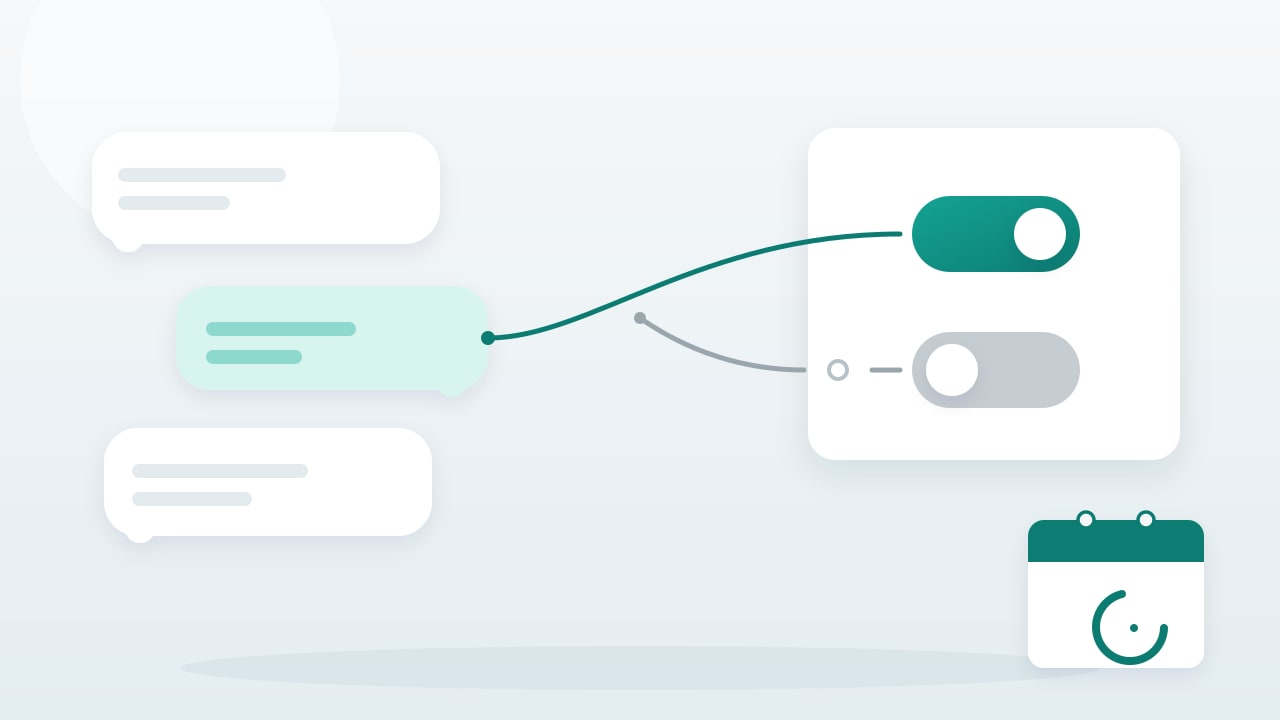
Google split Gemini chat history from model training on November 16, 2026. History off keeps future chats about two months, with human review included.
On November 16, 2026, Google published Gemini app updates: New chat history and training controls ↗. The rules under that post are on the Gemini Apps Privacy Hub ↗, last updated the same day. 9to5Google ↗ (Abner Li, November 16) and Digital Trends ↗ (Shikhar Mehrotra, November 17) reported the split. The picture above is an original graphic created by aitoolranked. We have not used the new History or training controls.
Google says the new settings let you keep Gemini chat history while opting out of generative AI model training. You can still change how long history is saved, and you can still review or delete it. The change rolls out globally in the Gemini app "in the coming weeks." Google has not published a date for each country. The post leaves Workspace and enterprise coverage unstated.
9to5Google writes that the existing Keep Activity setting "controls how long your chats are saved and whether they are used to train generative AI models." Google is splitting that into History, for how long chats are saved, and a second setting for whether chat content, including text and attachments, is used to train generative AI models. 9to5Google and Digital Trends both report that if Keep Activity is off today, both new settings start off, and that Google is emailing users.
Google's blog says that with the new History setting off, future chats "will be saved for around two months; they're used to respond to you, process your feedback, and protect Google, its users, and the public." The Privacy Hub adds "with help from human reviewers."
9to5Google says the duration in the product now is 24 hours for chat context and 72 hours to help protect Google, its users, and the public. Digital Trends says History off means Google keeps chats for around two months instead of up to 72 hours, and it calls that contrast 60 days versus three days. "Around two months" is Google's figure. The 60-day line is Digital Trends' gloss.
With History on, the hub says chats are deleted after 18 months by default. You can set auto-delete to 3 months, 36 months, or indefinite, and you can delete chats yourself. Digital Trends states that same default, and says you can keep history while skipping training.
If History is off and you send no feedback, the hub says Google does not use future chats to train generative AI models. Feedback is separate. Sending it, with History off, leads Google to collect the feedback, the last 24 hours of chats, and content in those chats, including attachments and Connected Apps data. Digital Trends reports that same 24-hour window.
The hub states: "Regardless of your settings, Google uses your chats to respond to you and help protect Google, our users, and the public, including with help from human reviewers." Reviewed chats are kept for up to three years, separated from the account, and deleting history leaves them in place. Gemini settings also do not control processing chats into anonymized data to improve Google services.
Temporary chats get the same two-month keep. The hub says they stay with the account, are used to respond (the last 24 hours is the context) and to protect Google, its users, and the public, and are not used to train models. A temporary chat is also how the hub says you keep a conversation out of reviewer-assisted training.
Two further limits are on the hub. Some Connected Apps, including Google Workspace, are unavailable when History is off. Notebook chats follow the History setting, while files added as notebook sources are not used directly to train generative AI models. Gemini Notebook's site builder is a different feature from that rule.
"Glad Google is separating Gemini history from model training. But its coming update still keeps future chats for around two months when History is off. That label bothers me. Off should not need a footnote this big." — Benniji ↗ (@BennyLam)
"Google's new Gemini privacy switch has a catch. My read: it lands on the people who cared most." — Noor Anand ↗ (@noorodivergent)
Digital Trends put its own line in the subhead: "Keep the chats, skip the training, mind the catch." Mehrotra writes that, in his experience, "menus rarely match the email," and he tells readers to reopen the Gemini activity page and set History and training separately.
Reddit was not reachable for this story.
The split is what people asked for, and the off switch is the trade-off. Anyone who wanted a saved log without model training gets two controls. Anyone who turned Keep Activity off starts with both off, and the keep moves from the 72-hour tail 9to5Google describes to about two months, with human review still in that window. Benniji's objection is the label. Noor Anand's line names who feels it. Other assistants already separate history from training in some form. Read ChatGPT vs Claude vs Gemini and the ChatGPT alternatives guide for those product pages.
Set both controls on the activity page, using only what the hub lists. When the email arrives, set History and training separately. Use a temporary chat to stay out of model training. A reviewed chat can remain for up to three years after you delete history. Skip confidential text you would not want a reviewer to see. Mehrotra's point is that the email and the menu often disagree, so confirm the switches on the activity page.
Nearby pages are different controls. Memory summary is stored memory you can edit. Connected Apps covers human review of connected Gmail and Drive, and that note's 72-hour keep is the window 9to5Google still calls current. California's lawsuit against OpenAI is a filing about agent tests.
Verdict: a gain if you wanted history without training, and a trade-off if you relied on Keep Activity off. Per-country dates and the Workspace treatment are still unstated.