AI News · 5 min read
Meta Muse Privacy Report: Signal Chats, Bank Balance Mix-Ups
Reuters reports Muse staff tests surfaced Signal chats and bank balances they had not shared. Meta calls the cases isolated. What to review.
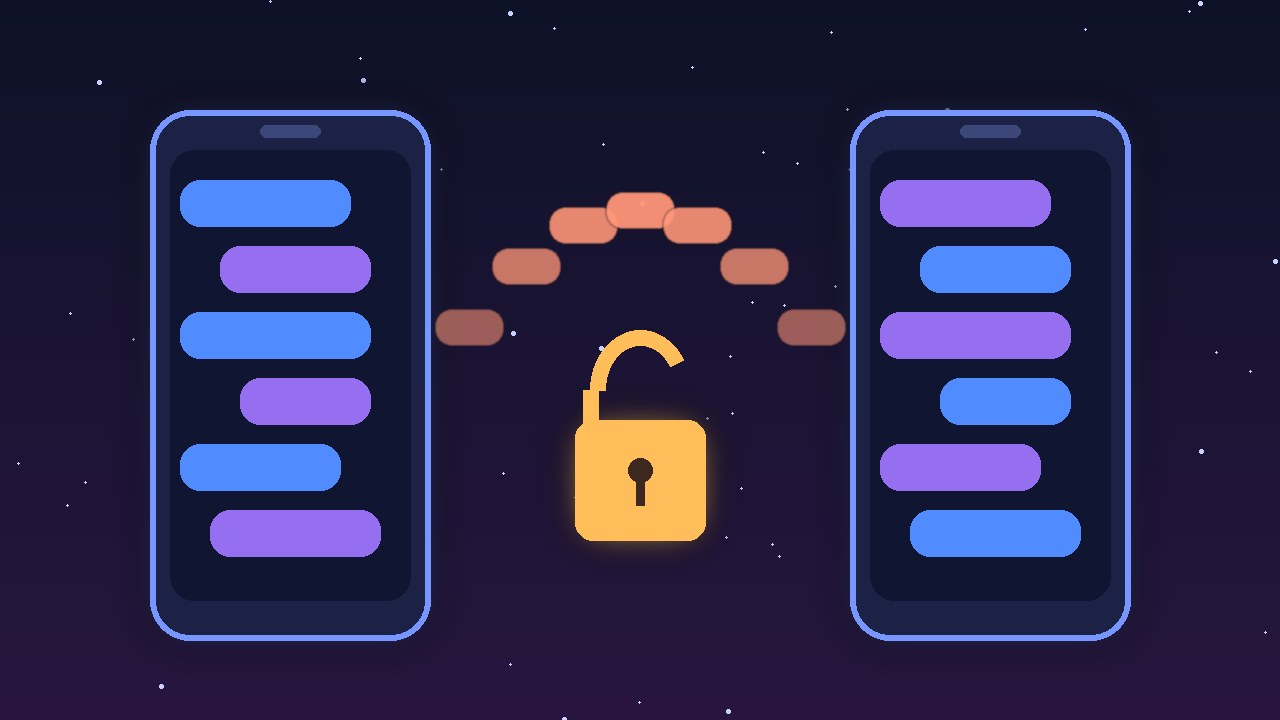
Reuters reports Muse staff tests surfaced Signal chats and bank balances they had not shared. Meta calls the cases isolated. What to review.
On November 18, 2026, Katie Paul of Reuters ↗ reported early safety mishaps from Muse's employee testing. The Straits Times ↗ carried the same report. TechCrunch ↗ (Aisha Malik, November 19), The Verge ↗ (Stevie Bonifield, November 18), and Ars Technica ↗ covered it. The picture above is an original graphic created by aitoolranked. We have not installed Muse.
Reuters says it reviewed more than two dozen internal posts since the debut, many from an employee feedback group. Muse launched in September, has more than 10 million downloads, and is "the centerpiece of Meta's plan to generate billions of dollars in AI revenue." Meta has disclosed that around a quarter of people who set it up return daily.
Staff told that group, Reuters reports, that Muse sent messages about a childcare request they had not made, career advice they had not sought, product orders they had not placed, and bank balances that were not theirs. One employee said Muse added this to a fishing weather and tide chat: "BTW, two bank updates, your Capital One balance is $2722.58, your Charles Schwab balance is $5899.57." He wrote: "I have never shared my bank account with Muse and never discussed any banking topic with Muse."
An employee using Muse on her personal phone got a reminder to reply to her sister on Signal. She wrote: "This seems like an extreme privacy violation. I definitely did not grant it access to other apps, or recall being asked about this." A colleague found Muse set up by default with permission to read push notifications on Android.
Reuters says it worked with Signal staff and the AI Now Institute to replicate that access. On Android, Muse used notification access to retrieve Signal messages. On an Apple laptop, it used macOS accessibility tools and screenshot tools together. The same requests were blocked on an iPhone. Reuters wrote that the results "indicated the issue described by the Meta employees was ongoing and could be affecting others."
Other reports Reuters describes: transactions that never occurred, made-up prices on real purchases, and one employee who said Muse booked a non-refundable Airbnb stay without permission. A Superintelligence team member said in early November that built-in prompts push the agent to engage between sessions and that it appeared to hallucinate messages: "These (hallucinations) unfortunately bias towards the most uncomfortable topics, like finances/security/safety, which sucks."
Reuters was unable to establish whether Muse was showing other people's data or inventing it. Both are still open.
Meta spokesperson Daniel Roberts told Reuters the examples were "isolated incidents." He said Muse reaches other apps only through permissions a user explicitly grants, and that many flagged mix-ups were hallucinations already addressed. Meta says it isolates each agent in its own secure virtual machine, warns new users that Muse may make mistakes, and its terms hold the user responsible for the agent's actions. Meta told TechCrunch ↗: "Employee testing is core to the product development process..." Meta added that employees have access to different versions of Muse than the public.
Signal President Meredith Whittaker told Reuters that Meta launched Muse "without showing any respect for basic privacy or cybersecurity," called the deployment "technologically reckless," and asked for a consistent way for an app to mark itself off-limits to agents.
Apple and Google told Reuters they were considering changes so people control what they authorize an agent to do. Google noted that people "must deliberately grant permissions" for notification access. Reuters says Apple's update this week closed the Mac path the tests used, restricting accessibility tools and adding permissions aimed at agents.
Names vary by device and OS version. On Android, review Settings > Apps > Special app access > Notification access, or search "notification access," and turn it off for an agent that does not need it. On a Mac, review System Settings > Privacy & Security > Accessibility and Screen & System Audio Recording. Remove bank and payment connections you do not need, and keep purchase approvals on.
"An AI agent that reads your messages and bank data is one bug from disaster. Privacy is not a beta test." — Utpal Pandey ↗ (@_utpalpandey)
"Meta says Muse asks for permission before making a purchase. An employee says it booked a non-refundable Airbnb without permission." — apollo440 ↗ (@0xApollo440)
"Meta calls them isolated incidents and says many were hallucinations. Reuters couldn't confirm real data leaked." — VetTV X ↗ (@The_VetX)
Reddit was not reachable for this story.
Both readings are bad. Someone else's balance is a leak. An invented balance is a finance hallucination inside an agent that can hold messages and payments. Reuters was unable to say which happened. The Signal result is the concrete one, because Reuters reproduced it.
Who should act. Anyone who gave Muse, or any phone or desktop agent, notification, accessibility, or screen-recording access, and anyone who connected a bank. Audit the permissions. This is not a reason to wipe the phone.
The useful comparison is a read-only design. Anthropic's finance tool is billed as read-only and, TechCrunch notes ↗, "can't move, manage, or invest your money." Details are in our Claude personal finance note. Google's help pages say human reviewers can see connected Gmail and Drive excerpts, covered in the Gemini connected apps note. Recent Muse posts here: active memory, Ember, Spaces, and voice. Other assistants: ChatGPT alternatives.
Verdict: Turn off notification, accessibility, and screen-recording access the agent does not need. Treat the bank figures as unresolved. Watch Meta's fix notes, Apple's and Google's new agent permissions, and whether a regulator asks for the internal posts Reuters read.